




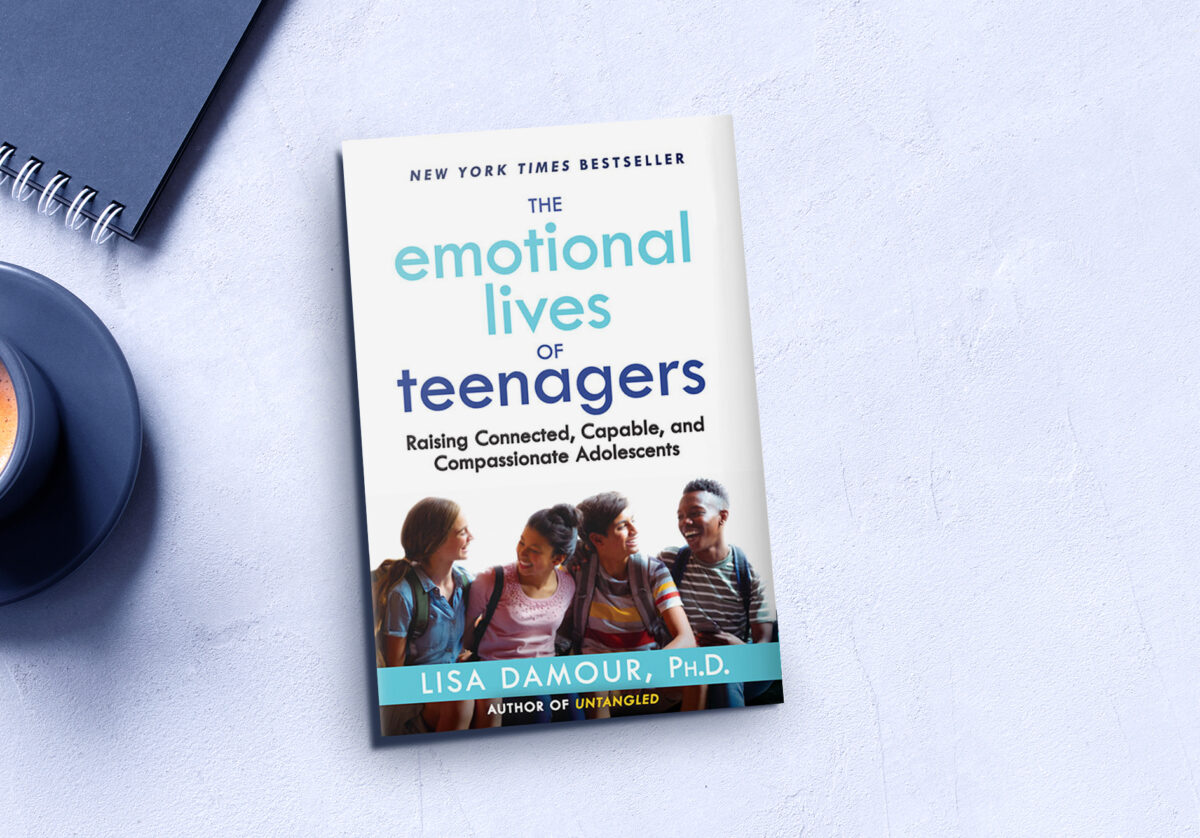




Teenagers feel things deeply, and they don’t always handle those feelings the way adults expect. In this video from Helping Adolescents Thrive and UNICEF, Dr. Lisa Damour shows parents, caregivers, teachers, and clinicians how to make sense of adolescent emotions so they can better support the tweens and teens in their lives.
Why do teenagers’ emotions feel so intense?
Adolescence is a time of rapid emotional growth. Strong feelings are a normal and healthy part of development, not a sign that something is wrong. Dr. Damour explains how adults can help young people recognize what they’re feeling, understand where it comes from, and find a way through it.
Do teens need to talk about their feelings to feel better?
Not always. Talking helps many young people, but it’s only one option. The video covers safe ways for teens to express emotions, along with ways to simply let a hard feeling settle. A walk, music, a creative outlet, rest, or a healthy distraction can all bring real relief. When adults offer several paths instead of insisting on conversation, teens are more likely to find what works for them.
Who should watch?
Parents and caregivers looking for new ways to support a teen through difficult moments
Teachers, counselors, and school staff who see adolescents every day
Clinicians and youth program facilitators who help young people build coping skills
Key takeaways:
Strong emotions are a normal part of adolescence.
Helping teens name a feeling is the first step toward managing it.
Feelings can be expressed safely, or they can be allowed to pass.
Talking is helpful, but it’s one coping tool among many.
▶️ Watch the full video below.
More resources