



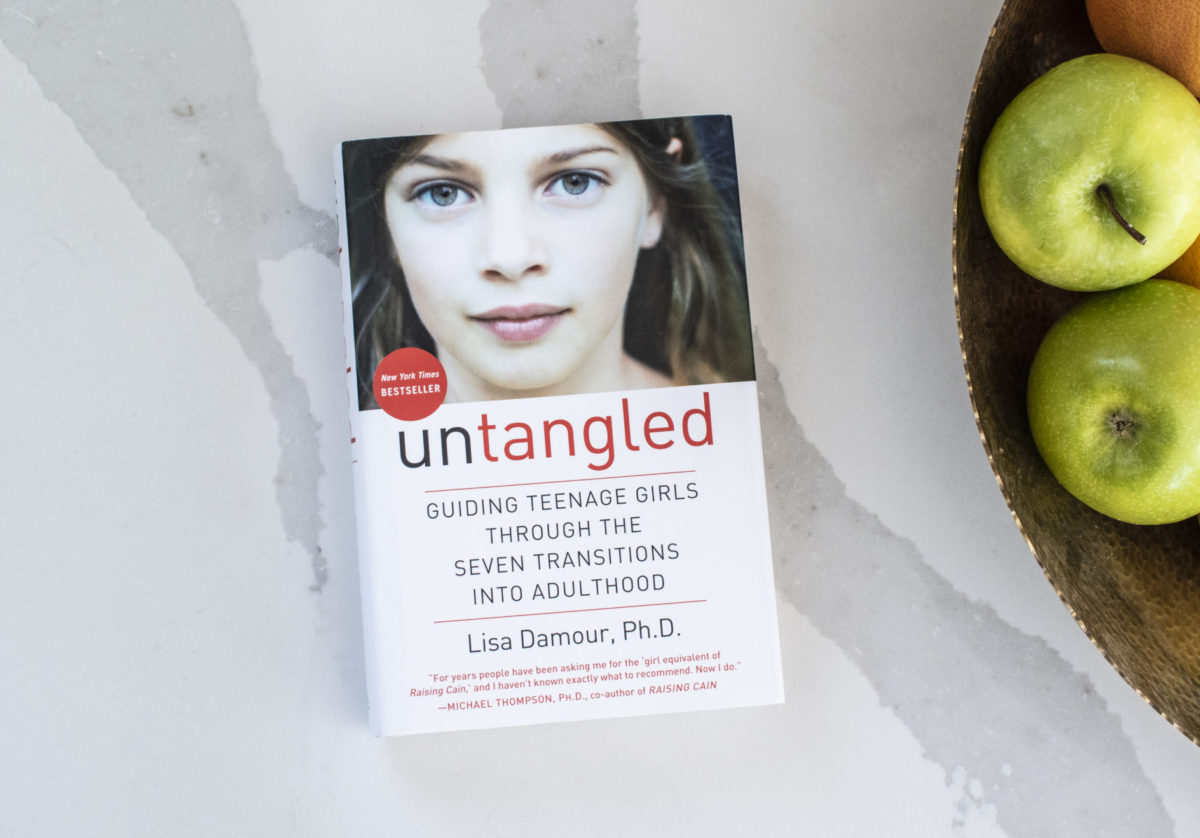

Talking with kids about food can feel like walking through a minefield. Parents worry that a comment about what’s on the plate will be heard as a judgment about their child’s body or character. And pediatricians warn that telling teens to “eat healthy” can raise the risk of an eating disorder. In this The New York Times article, psychologist Dr. Lisa Damour offers three ways to talk about nutrition without ever mentioning weight or looks:
The zero-sum angle: Every food choice moves us either toward health or away from it. With younger kids, a light, simple comparison makes the point. For example, a pear and a fun-size candy bar give the same energy, but only one brings the nutrients a body needs.
The self-care angle: Present eating as one way kids look after themselves. Help them check in with their own hunger, and avoid power struggles over food, which are likely to backfire with teens.
The beyond-the-self angle: Tie food choices to bigger causes, such as the environment or pushing back against food-industry marketing. Research suggests this approach works especially well with adolescents.
Dr. Damour also explains why what parents eat matters as much as what they say, and when to bring in a pediatrician or registered dietitian. It’s a timely read with Halloween candy season on the way.
Read the full article which was originally published on Oct. 12, 2016 in the The New York Times below.
More resources